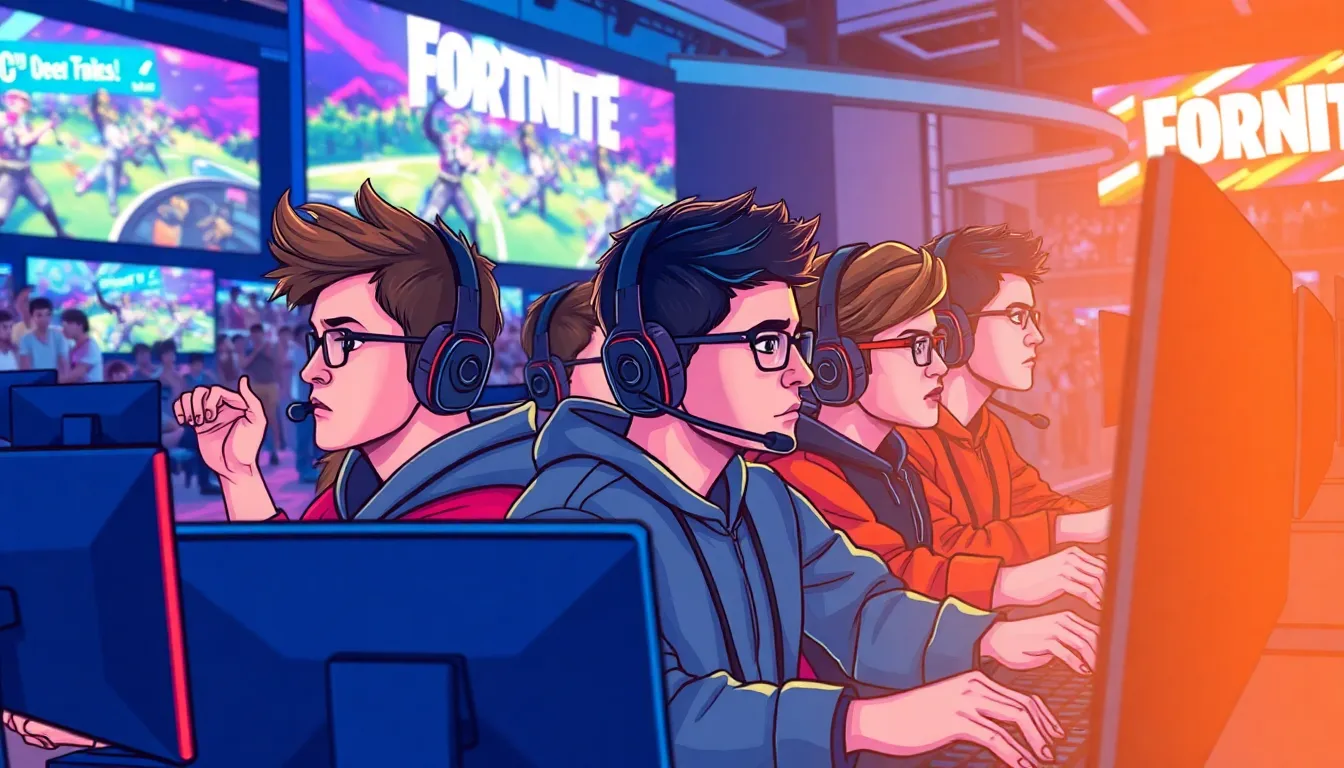
In the world of competitive gaming, few titles have taken the spotlight like Fortnite. With its vibrant graphics and addictive gameplay, it’s no wonder players are diving headfirst into the battle royale frenzy. But Fortnite isn’t just a game; it’s a phenomenon that’s transformed into a thriving esports arena where players can turn their gaming skills into serious cash.
Fortnite Esports
Fortnite esports represents a dynamic sector of competitive gaming. This platform has gained immense popularity since its release in 2017, driven by its unique battle royale format. Various tournaments showcase talent, with significant events attracting millions of viewers and offering substantial prize pools.
Competitive play features different modes, including solos, duos, and squads. Players compete in fast-paced matches, showcasing strategic skills and teamwork. Epic Games organizes the Fortnite World Cup, a prime example of this competitive scene, which featured a $30 million prize pool in its inaugural year.
Notable organizations and players contribute to the growing ecosystem. Teams like FaZe Clan and TSM have established themselves in the competitive landscape. Players, including Kyle “Bugha” Giersdorf, have become household names, further elevating the game’s visibility.
Statistics illustrate Fortnite’s reach and impact. In 2022, the Fortnite Champion Series recorded over 1 million participants across multiple regions. Viewership consistently reaches impressive numbers, with major events drawing over 2 million concurrent viewers on platforms like Twitch and YouTube.
Community engagement plays a crucial role in Fortnite esports. Fans actively support their favorite players and teams through social media, streaming platforms, and event attendance. This interaction fosters a loyal following, enhancing the overall vibrancy of the esports scene.
Fortnite esports signifies an influential force in competitive gaming. Its engaging content, lucrative opportunities, and dedicated fanbase continuously redefine the esports landscape.
The Evolution of Fortnite Esports
Fortnite esports has transformed the competitive gaming landscape since its launch in 2017. Major milestones signify this evolution as it continues to captivate a global audience.
Key Milestones
Epic Games achieved groundbreaking success with the launch of Fortnite, introducing new gameplay dynamics that reshaped the battleground. The release of the Fortnite World Cup in 2019 marked a pivotal moment, featuring a $30 million prize pool that attracted top players worldwide. Following the World Cup, the introduction of the Fortnite Champion Series boosted organized competition and engagement. Significant partnerships with brands and streamers amplified its reach, drawing in millions of players. In 2022, the Fortnite Champion Series recorded over 1 million participants, reinforcing the game’s ongoing popularity and vibrant community.
Major Tournaments
Numerous tournaments highlight the competitive nature of Fortnite. The Fortnite World Cup stands out, showcasing elite players competing for massive prize pools. Each year, events like the FNCS (Fortnite Champion Series) attract broad participation and viewership. Tournaments frequently stream on platforms like Twitch and YouTube, drawing millions of viewers. Events showcase a variety of formats, including solos, duos, and squads, requiring teamwork and strategy. Notable tournaments emphasize the talent of players and create opportunities for aspiring competitors in the vibrant esports ecosystem.
Prominent Teams and Players
The competitive landscape of Fortnite esports features a variety of elite teams and talented players. Each brings unique strategies and skills to the forefront, enhancing the overall spectacle of the game.
Team Strategies
Winning teams employ diverse strategies tailored to their strengths. Coordinated communication plays a vital role during matches. Teams often prioritize early-game rotations to secure advantageous positions. Utilizing resources efficiently becomes crucial in tight scenarios. Adaptability in tactics, whether in solo or squad modes, sets successful teams apart. Monitoring opponent movements shapes strategic decisions, allowing teams to exploit weaknesses.
Player Profiles
Notable players contribute significantly to the Fortnite esports scene. Kyle “Bugha” Giersdorf, 2019 World Cup champion, exemplifies exceptional individual talent. His focus on building techniques and positional awareness showcases skill mastery. Players like Turner “tfue” Tenney and Benjy “benjyfishy” Fish also exemplify high-caliber gameplay with distinct styles. Characterized by their ability to perform under pressure, these players actively engage with their communities. With millions of followers on platforms, they further amplify the game’s popularity.
The Impact of Fortnite Esports
Fortnite esports has significantly shaped the competitive gaming landscape, fostering a thriving community of players and fans alike.
Growth of the Community
Community growth around Fortnite esports has been remarkable. Players connect through online platforms, forming friendships and rivalries that enhance engagement. Teams like FaZe Clan and TSM have attracted large followings, showcasing talent and fostering loyalty. Events like the Fortnite World Cup encourage participation, drawing in over 1 million competitors by 2022. Viewers also engage, with online streams on Twitch and YouTube achieving millions of views. Community tournaments further promote inclusivity, allowing casual players to join the competitive scene. This vibrant ecosystem amplifies interest and excitement, ensuring that Fortnite remains a staple of esports culture.
Sponsorship and Revenue
Sponsorship opportunities in Fortnite esports have grown rapidly. Brands recognize the potential of reaching millions of engaged viewers. Organizations capitalize on this by securing lucrative deals that boost their visibility. Prize pools continue to rise, exemplified by the Fortnite World Cup’s staggering $30 million in 2019. Revenue stems not only from sponsorships but also from merchandise sales and partnerships with content creators. Epic Games further contributes through in-game events and collaborations, enhancing revenue streams. Esports investments are on the rise, fueling the overall growth and sustainability of Fortnite as an esports phenomenon.
Challenges Facing Fortnite Esports
Fortnite esports faces several challenges that impact its growth and sustainability. One major issue lies in the competitive landscape, where numerous teams and players compete for recognition and success. Player retention becomes crucial as many top talents often shift to other games, creating a talent vacuum. Elite organizations regularly seek new strategies to remain relevant and competitive. Engagement with fans also fluctuates, leading some events to experience inconsistent viewership despite previous success.
Game updates and changes represent another significant challenge within the Fortnite esports community. Epic Games frequently alters gameplay mechanics, which can disrupt established strategies and team dynamics. While updates bring fresh content, they often require players to adapt quickly to new environments and mechanics. Public reaction to these changes varies, with some players praising the innovations while others express frustration over abrupt shifts that can influence tournament outcomes. Consistent updates, therefore, create an ongoing need for players to re-evaluate their approaches on a regular basis.
Conclusion
Fortnite esports has firmly established itself as a powerhouse in the competitive gaming world. Its unique blend of engaging gameplay and vibrant graphics captivates both players and viewers alike. The evolution of tournaments and the rise of elite players showcase a thriving community that continues to grow.
As sponsorships and partnerships increase, the financial landscape of Fortnite esports becomes more lucrative. Despite facing challenges like player retention and fluctuating engagement, the community’s passion remains unwavering. With every tournament and event, Fortnite reinforces its position as a leading force in esports, paving the way for future innovations and opportunities.