
Being a gamer in 2026 does not necessarily mean spending every free hour in front of a screen. Gaming now overlaps with anime, trading cards, tabletop games, collectibles, streaming, cosplay, conventions, online communities, and plenty of interests that would once have been treated as completely separate hobbies.
That overlap has changed what gamer culture looks like. Someone might play a competitive shooter one evening, meet friends for a card tournament the next, watch anime over the weekend, and spend Sunday painting miniatures. The game itself is still important, but the culture surrounding it has become much bigger than playing.
The Gaming Setup Has Become Part of the Lifestyle
Gaming spaces used to be defined mainly by whatever hardware was necessary to play. Today, the setup itself can become part of the hobby.
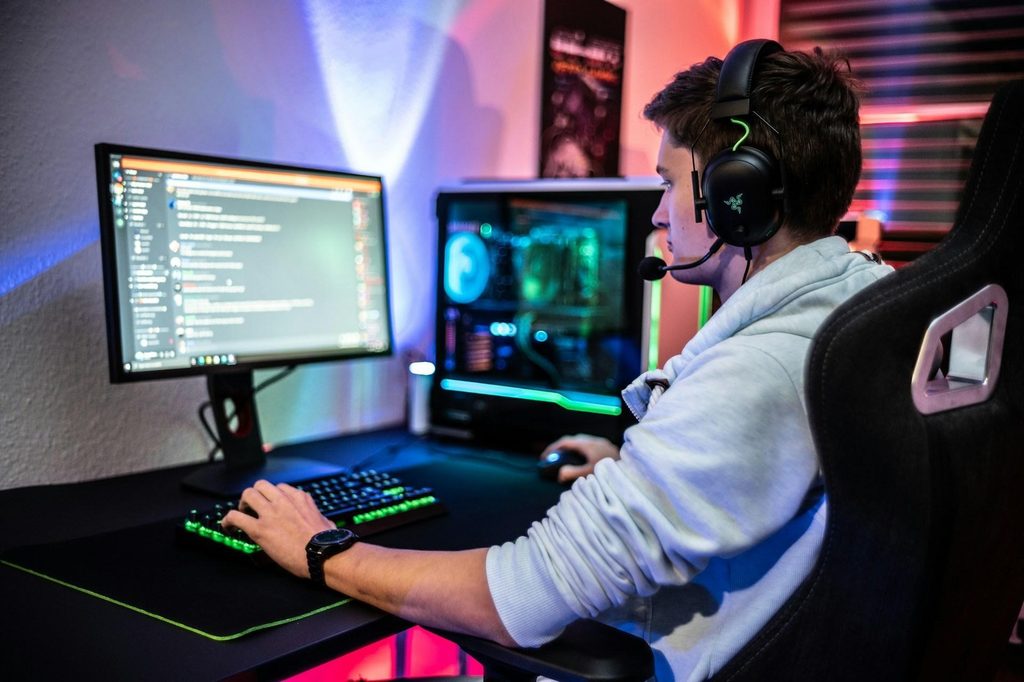
Mechanical keyboards, custom keycaps, lighting, desk mats, controllers, headsets, figures, posters, and carefully arranged shelves allow players to turn a functional desk into something personal. Even people with relatively simple setups often make deliberate choices about comfort and atmosphere.
Long sessions have also made gamers more conscious of what happens away from the keyboard. Better chairs, hydration, stretching, sleep routines, and taking proper breaks increasingly sit alongside conversations about monitors and frame rates.
That broader interest in personal routines means products completely unrelated to gaming hardware can enter the picture too. For adults who have already chosen CBD as part of their own wellness routine, formats such as those offered by Medterra represent one of many personal choices that can exist around downtime rather than gameplay itself.
Modern gamer culture is partly about the game and partly about creating a lifestyle that makes spending time with the hobby enjoyable.
Trading Cards Are Firmly Back in the Conversation
Physical cards might seem like the opposite of digital gaming, yet trading card games now occupy considerable territory within the same broader culture.
Pokémon and Yu-Gi-Oh remain instantly recognizable, while newer or expanding communities around games connected to franchises such as One Piece have helped make card collecting and competitive play relevant to another generation.
The attraction is not limited to playing matches. Opening packs, building decks, hunting particular cards, collecting favorite characters, trading with other players, and displaying valuable or visually impressive cards are all separate parts of the experience.
Stores such as Danireon sit directly within this crossover between gaming, collecting, and fandom, where interests in TCGs, miniatures, and recognizable fictional universes can easily coexist.
That physical dimension matters. After spending so much entertainment time on screens, sitting across a table from another person and playing with an actual deck can feel refreshingly different without feeling disconnected from gaming culture.
Anime and Gaming Barely Feel Like Separate Fandoms Anymore
There has always been crossover between anime fans and gamers, but the boundary has become increasingly difficult to see.
Popular characters and franchises routinely move between anime, manga, games, cards, figures, clothing, and other merchandise. A person can encounter a fictional universe through one medium and gradually become interested in several others.
That creates fandoms organized around worlds and characters rather than a single entertainment format.
The overlap is particularly visible at conventions, where gaming areas can sit alongside cosplay competitions, anime programming, artists, merchandise stalls, and TCG tournaments. People who originally arrive because of one interest inevitably encounter several others.
It also explains why gaming conversations regularly include topics that technically have little to do with video games. Discussions about an anime adaptation, a new card set, a collectible figure, or a cosplay design can all occur naturally inside the same friend group or online community.
The shared culture is increasingly the important part.
Tabletop Games Offer Something Screens Cannot
Board games, tabletop role-playing games, miniatures, and other physical games have become another major extension of gamer culture.
They offer something digital multiplayer cannot perfectly reproduce: several people physically sharing the same table.
For some groups, that means a quick board game. Others commit to lengthy tabletop RPG campaigns or spend significant time assembling and painting miniatures before those models ever reach a game.
The preparation can become a hobby of its own. Painting, terrain building, collecting, customizing armies, designing characters, and learning complicated rules all reward a different type of attention from fast-paced digital games.
Tabletop gaming is also naturally social. While online multiplayer connects people across enormous distances, tabletop sessions create a reason for friends to regularly meet in person.
The two formats do not compete as much as they complement each other. Many people comfortably move between both.
Collecting Has Become Almost as Important as Playing
Look around many gaming rooms and the shelves tell as much of a story as the PC or console.
Figures, cards, limited editions, statues, retro hardware, physical game releases, art books, miniatures, plush characters, and other collectibles have become visible expressions of fandom.
The motivation differs from person to person. Some enjoy completing sets. Others collect one franchise or character. Some want rare pieces, while others simply buy objects connected to games and fictional worlds they genuinely love.
There is also a strong display element. Shelving behind a gaming desk is no longer necessarily storage; it can function almost like a personal exhibition of someone’s interests.
Collecting also gives older games and franchises a life beyond replaying them. A title someone loved ten years ago may remain represented through an art book, figure, physical edition, or other object long after the original console has disappeared from everyday use.
Watching Games Is Its Own Form of Entertainment
Gaming culture is no longer built entirely around playing games yourself.
Streams, competitive events, challenge runs, speedruns, reviews, video essays, podcasts, tutorials, and long-form discussions have created enormous amounts of entertainment around games rather than inside them.
Someone may watch a game they have no intention of buying simply because the creator playing it is entertaining. Others follow esports teams or individual competitive players much as sports fans follow athletes.
Long-form gaming content has also made analysis part of the culture. Players can spend hours discussing level design, storytelling, balance changes, development history, industry decisions, or the rise and fall of particular franchises.
This has changed what participating in gaming culture requires. You do not necessarily have to own every new release or play competitively. Watching, discussing, creating, collecting, and sharing can all provide legitimate ways of participating.
Real-World Communities Matter More Than Ever
Perhaps the most interesting part of gamer culture in 2026 is how much of it happens away from the screen.
Conventions bring together video games, tabletop gaming, anime, cosplay, artists, collectors, and card tournaments. Local game stores provide spaces for weekly events. Friend groups organize tabletop nights. Fans travel to tournaments or meet people they originally knew only through online communities.
Even primarily digital friendships can eventually produce real-world experiences.
That makes the old stereotype of gaming as an isolated hobby increasingly inadequate. Gaming can certainly be enjoyed alone, but the surrounding culture gives people countless reasons to create, collect, compete, travel, meet, and collaborate.
Video games remain the center of gamer culture, but they are no longer its boundaries. In 2026, being part of gaming can mean painting a miniature, building a card deck, watching a tournament, attending a convention, collecting figures, discussing anime, improving a gaming room, or simply spending an evening with people who understand exactly why all of those things somehow belong together.