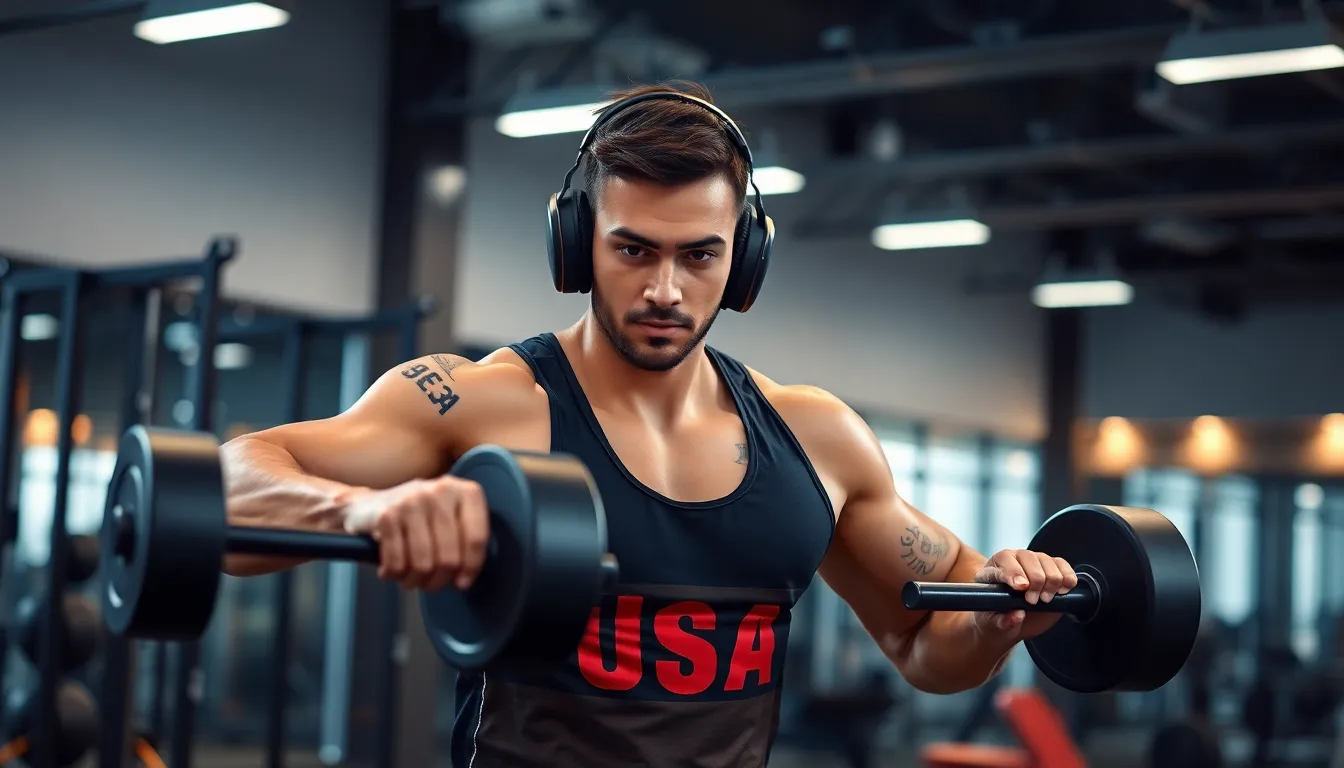
In the world of esports, where quick reflexes and strategic thinking reign supreme, one might assume that fitness takes a backseat. But hold on to your game controllers! Esports fitness is leveling up, and it’s not just about staying awake during those marathon gaming sessions. It’s about optimizing performance, boosting stamina, and maybe even fitting into that favorite gaming hoodie a little better.
Imagine this: a gamer so fit they could outrun their own avatar. With tailored workouts and nutrition plans designed for the unique demands of gaming, esports athletes are proving that physical fitness can enhance mental agility. So whether you’re a casual player or a competitive pro, embracing esports fitness might just be your secret weapon to dominate the leaderboards—and have a few laughs along the way. After all, who said getting fit can’t be as fun as a double kill?
Esports Fitness
Esports fitness encompasses a range of physical activities and health strategies tailored specifically for gamers. It integrates exercises that enhance strength, endurance, flexibility, and coordination, aiming to improve overall performance during gaming sessions. Gamers who engage in dedicated fitness routines often experience increased stamina, concentration, and reaction times.
Customized workout programs target muscles that gamers utilize during play. These routines strengthen core areas like arms, shoulders, and back, which are crucial for prolonged gaming. Additionally, incorporating cardiovascular exercises contributes to better blood circulation and overall energy levels. Nutrition plays a vital role; diets high in nutrients can support mental clarity and boost focus.
Studies indicate that gamers participating in fitness regimens show measurable improvements in gameplay. Regular physical activity reduces fatigue levels, a common challenge for many players. Furthermore, maintaining hydration and balanced meals contributes significantly to cognitive function during high-pressure situations.
Community events and fitness challenges are emerging in the esports scene. Such activities motivate players to find enjoyment in fitness while fostering camaraderie among participants. The focus shifts from mere gameplay to the combination of physical and mental well-being. Many professional esports organizations now emphasize fitness, recognizing its role in achieving peak performance and sustaining long-playing sessions.
In essence, esports fitness promotes a holistic approach to gaming, where health isn’t just an afterthought; it becomes part of the strategy for success. Engaging in fitness not only enhances skills but also supports the longevity of gaming careers and enjoyment of the sport.
Importance Of Fitness For Esports Athletes
Fitness plays a crucial role in the performance of esports athletes. Prioritizing physical health enhances gameplay and supports overall well-being.
Physical Health Benefits
Physical fitness improves stamina and reduces fatigue during gaming sessions. Engaging in tailored workouts strengthens relevant muscle groups, ultimately preventing injuries. Cardiovascular exercises boost energy levels, allowing athletes to sustain concentration throughout long matches. Increased flexibility enhances reaction times, a vital aspect in competitive gaming. Gamers who incorporate fitness into their routines often report better overall physical health, leading to longer, more productive gaming careers.
Mental Health Benefits
Mental clarity and focus significantly benefit from regular fitness routines. Exercising releases endorphins, reducing stress and anxiety levels, which can affect performance. Improved physical health correlates with enhanced cognitive function, enabling faster decision-making during critical moments in games. Building a fitness routine fosters discipline and a sense of accomplishment, positively affecting self-esteem. Community-driven fitness events also provide social support, contributing to improved mental well-being within the esports community.
Key Components Of Esports Fitness
Esports fitness consists of several essential components that contribute to overall performance and well-being. Strength training, cardio conditioning, and flexibility and mobility play crucial roles in enhancing gamers’ abilities.
Strength Training
Strength training focuses on building muscle groups used during gameplay. Resistance exercises, such as weightlifting and bodyweight workouts, target arms, shoulders, core, and back. Improved strength supports better posture, which is vital for long gaming sessions. Gamers who commit to strength training often notice reduced fatigue and enhanced endurance. Scheduling two to three strength workouts weekly contributes to optimal muscle development.
Cardio Conditioning
Cardio conditioning enhances heart and lung function, increasing overall stamina. Activities like running, cycling, or swimming elevate heart rates, improving blood flow and energy levels. Engaging in these exercises for at least 150 minutes weekly enhances endurance, allowing gamers to maintain focus longer during competitive play. Increased cardiovascular health correlates with improved reaction times, making it essential for performance.
Flexibility and Mobility
Flexibility and mobility exercises improve range of motion and prevent injuries. Stretching routines and yoga enhance muscle elasticity and joint function. Regular practice fosters better posture, which is crucial for minimizing strain during extended gaming sessions. Spending time on flexibility training complements strength and cardio workouts. Incorporating these routines a few times each week boosts overall physical performance, promoting recovery and keeping gamers in top form.
Esports Fitness Routines
Esports fitness routines implement targeted exercises and nutrition strategies to enhance gaming performance. Engaging in structured workouts and balanced diets promotes stamina, focus, and overall health.
Sample Workouts
Strength training workouts often begin with bodyweight exercises such as push-ups and squats, targeting major muscle groups essential for maintaining posture during long gaming sessions. Resistance bands can enhance these routines, adding intensity to traditional movements. Core exercises, including planks and Russian twists, improve stability and control, both crucial for precise gaming actions. Cardio workouts incorporate interval training, such as cycling or treadmill sprints, to boost heart health and endurance levels. Flexibility routines featuring yoga stretches alleviate tension, enhancing mobility and reducing the risk of injury. Gamers can mix these elements to create a dynamic routine catering to their specific gaming needs.
Nutrition Tips
A balanced diet plays a vital role in esports fitness. Gamers benefit from nutrient-dense foods, including lean proteins like chicken, fish, and beans, which support muscle recovery. Complex carbohydrates found in whole grains and fruits provide sustained energy essential for extended gameplay. Incorporating healthy fats from avocados and nuts supports brain function and mental clarity. Staying hydrated maintains focus and prevents fatigue, so regular water intake is crucial. Gamers should limit processed snacks and sugary drinks, opting for healthier alternatives that fuel performance. This approach to nutrition fosters both physical and mental well-being, crucial for success in esports.
Conclusion
Embracing esports fitness is a game-changer for both casual and competitive gamers. By prioritizing physical health through tailored workouts and proper nutrition, players can significantly enhance their performance and overall well-being. This holistic approach not only boosts stamina and focus but also fosters a sense of community among gamers.
As the esports landscape evolves, integrating fitness into daily routines will become increasingly vital. Gamers who invest in their physical health will likely see improvements in gameplay and longevity within the industry. Ultimately, esports fitness isn’t just an advantage; it’s a crucial element for success in the world of gaming.